The Silent Struggle of Independent Dental Hygienists in Ontario
And why it matters more than you think…
In Ontario, independent dental hygienists play a critical role in preventive oral health care. We are highly trained, regulated professionals who focus on keeping mouths healthy - often helping clients avoid more invasive (and expensive) procedures down the road.
But behind the scenes, many independent hygienists are facing an ongoing, frustrating challenge that ultimately affects client access, trust, and continuity of care.
Let’s talk about it - openly and honestly.
The reality: Resistance from Traditional Dental Offices
Many clients who choose to receive hygiene care at an independent clinic do so intentionally. They value:
A preventative-focused approach
More personalized, un-rushed appointments
Transparent recommendations
A comfortable, non-clinical environment
However, when these same clients return to a dental office for exams, x-rays, or restorative work, they are often met with unexpected resistance.
Common experiences clients report:
Being told they “should be having their cleaning done at the dental office”
Feeling pressured to switch their hygiene care back
Hearing subtle (or not-so-subtle) messaging that independent clinics are “less comprehensive”
Being charged higher fees because they are not considered a “full-service” patient
Or worse, being told they can no longer be seen if they aren’t going to be “full-service” patients
The Pricing Problem: When Care Becomes Conditional
One of the most concerning patterns is differential pricing.
Some dental offices charge clients more for exams or services if they are not also booking their hygiene appointments in-house. This creates a system where:
Preventative care becomes tied to loyalty, not need
Clients feel penalized for choosing where they receive care
Financial pressure influences healthcare decisions
This isn’t just frustrating - it places clients in a difficult and often confusing position.
Why This Matters (Beyond Professional Tension)
This issue goes far deeper than professional disagreement. It directly impacts:
Client Autonomy - Clients have the right to choose where they receive their care. Period.
Healthcare decisions should be based on comfort, trust, and outcomes - not pressure.
Continuity of Care - When clients feel caught between providers, they may delay or avoid appointments altogether - leading to worsening oral health.
Preventive Health Outcomes - Independent hygienists are often deeply focused on prevention, education, and early intervention. Disrupting that care model can have long-term consequences.
Let’s Be Clear: This is Not About “Us vs. Them”
There are many incredible dentists who:
Respect independent hygiene practices
Collaborate seamlessly
Support client choice
This particular post is not about division - it’s about addressing a pattern that shouldn’t exist in a patient-centred healthcare system.
Healthcare works best when providers:
Resepct each other’s scope of practice
Communicate openly
Put the client’s best interest first
The Ethical Concern
When financial incentives influence how care is recommended -or when clients feel pressured or penalized for their choices - it raises important ethical questions. At its core, healthcare should be:
Transparent
Respectful
Free from coercion
Clients deserve honest guidance - not strategic persuasion.
What You as the Client Should Know
If you’re a client navigating this situation:
You are allowed to choose your hygiene provider
You are allowed to split your care between providers
You are allowed to ask questions about fees and recommendations
You are allowed to to make decisions based on what feels right for you
Your oral health journey should feel supported - not complicated.
Moving Forward: A Call for Collaboration
There is a better way forward - one rooted in collaboration, not competition.
Imagine a system where:
Independent hygienists and dentists work together seamlessly
Clients feel confident and respected in their choices
Preventive and restorative care complement each other
No one feels pressured, penalized, or judged
That’s the standard we should all be striving for.
Independent dental hygiene clinics exist to expand access, elevate prevention, and empower clients.
The goal has never been to replace dentistry- it’s to enhance the overall health of our communities.
But to do that effectively, we need a system that supports -not undermines- client choice and professional collaboration. Because at the end of the day, this isn’t about business models.
It’s about people.
A Heartfelt Thank Your to Our Whole Health Community
To our incredible clients at Whole Health - thank you.
We know that choosing an independent dental hygiene clinic hasn’t always been the easiest path. Some of you have faced uncomfortable conversations, added pressure, or even financial barriers when navigating care between providers. And yet, you’ve continued to stand by your decision to prioritize a preventive, personalized approach to your oral health.
The loyalty does not go unnoticed.
We see the trust you place in us every time you walk through our doors. We recognize the advocacy it sometimes takes on your part to stay aligned with the care model that feels right for you. And we deeply respect your commitment -not just to us, but to your own health and well-being.
Your support allows us to continue doing what we’re passionate about:
Providing thorough, prevention-focused care
Creating a comfortable, client-centred experience
Educating and empowering you to make informed decisions.
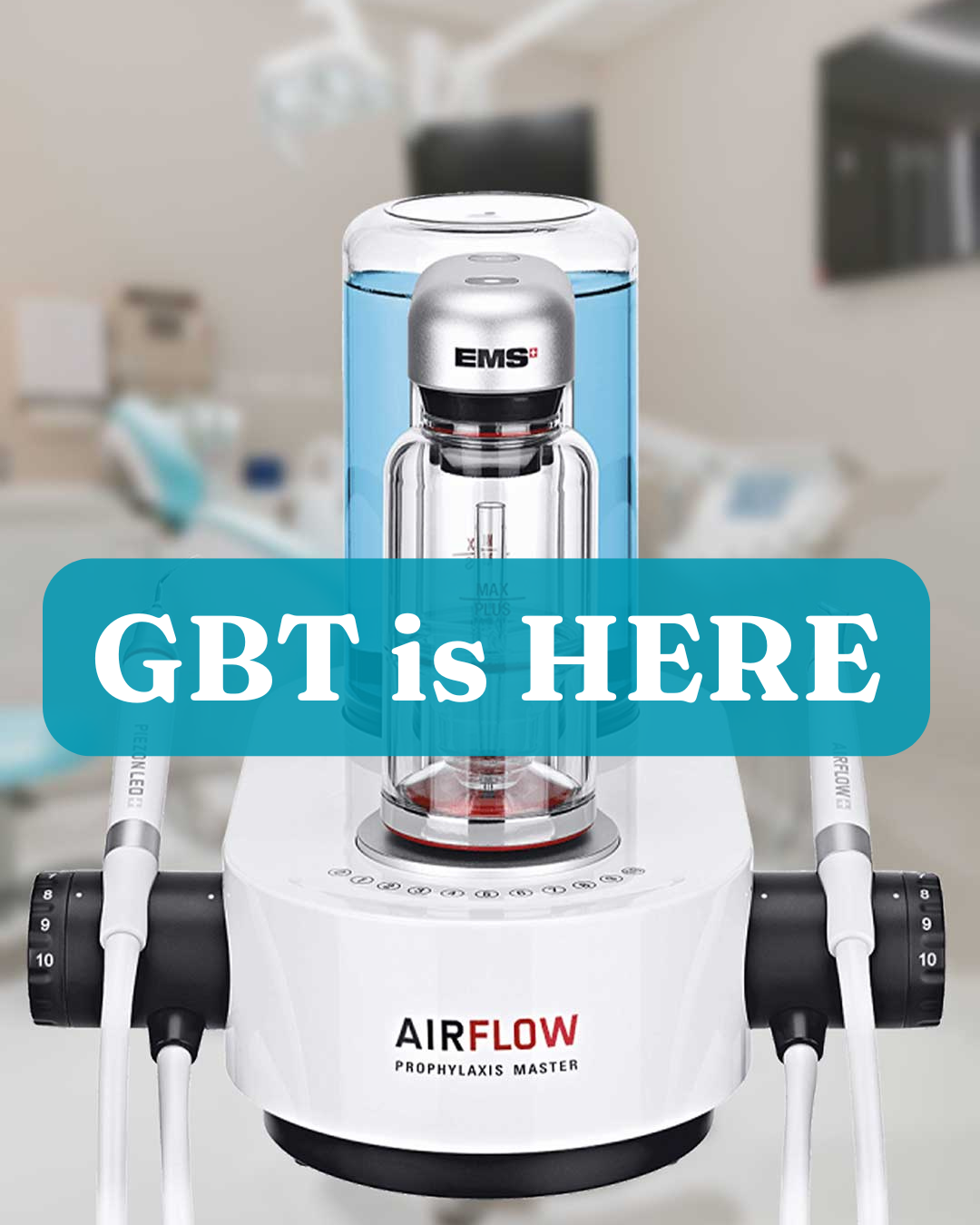
Offering you advanced technology to support elevated treatment outcomes
Most importantly, it reinforces that this model of care matters.
We’re here because of you, and we remain committed to supporting you-always.
In trust, your local Independent Registered Dental Hygienists
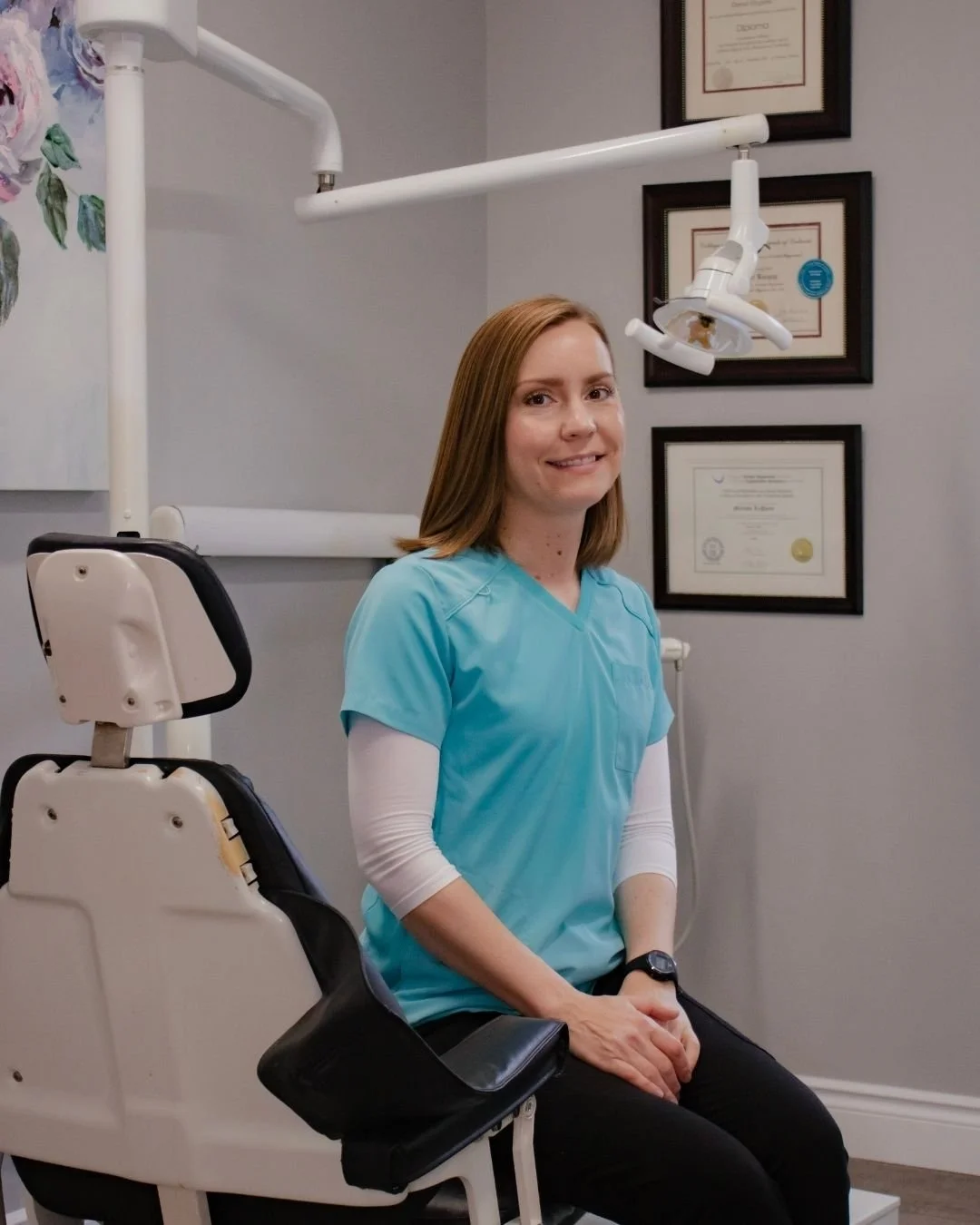
(pictured below left Heather Jones, RDH, right Jenn Arbuckle, RDH)